
Author: admin
From Chicken to Collards: Flavor-Packed Seasoning Ideas for Your Next Meal
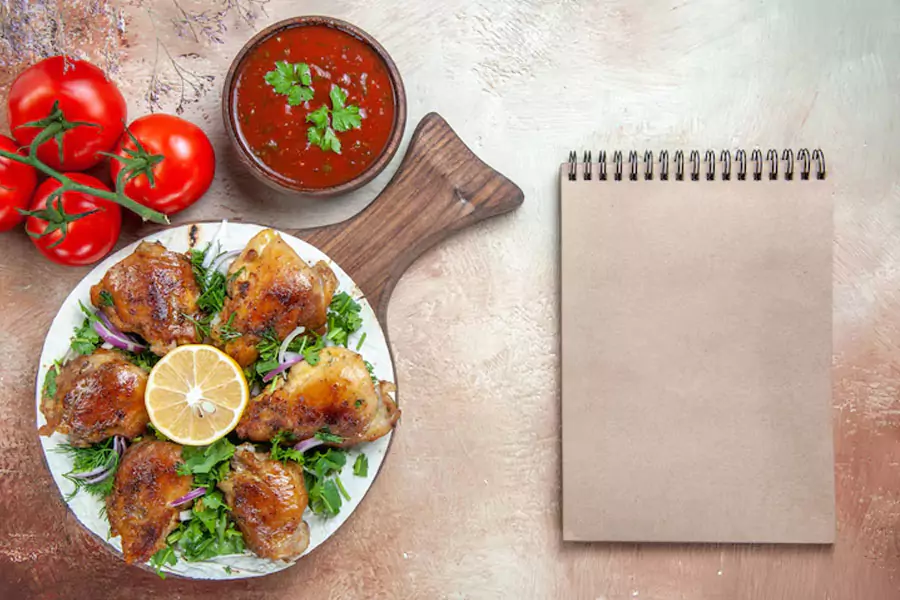
Nothing is more special than a home-prepared meal with an intense, well-balanced flavor. Whether you’re serving up tender chicken or rich collard greens, the difference is how you season your food. Even the simplest ingredients are transformed into exceptional dishes with the correct herbs, spices, and seasoning mixtures.
Let’s see how to elevate pantry ingredients—like chicken and collards—using mighty but straightforward seasoning techniques that’ll have your family asking for seconds.

Seasoning Chicken: Basic to Bold
Chicken is perhaps the most versatile protein out there, but it can be so flat without careful seasoning. The trick is building layers of flavor—beginning with salt and adding depth through herbs, spices, and acids.
Classic Southern-Style
For a hearty, Southern-style chicken, give this combination a try:
- Salt and black pepper
- Garlic powder
- Onion powder
- Paprika (smoky sweetness)
- Dried thyme or rosemary
Sprinkle a vinegar-based hot sauce or buttermilk as a marinade to tenderize the meat and enhance the flavor. No matter how you’re cooking it, whether you’re baking, frying, or grilling, this profile is unbeatable.
Global Twists
Pretend to travel with your taste buds. Try these variations:
- Caribbean Jerk: Allspice, cinnamon, cayenne, garlic, thyme, and brown sugar.
- Mediterranean: Olive oil, garlic, lemon zest, and oregano.
- Indian-Inspired: Turmeric, garam masala, garlic, ginger, and yogurt.
Marinate your chicken in these mixtures for a few hours to allow the flavors to absorb before cooking.
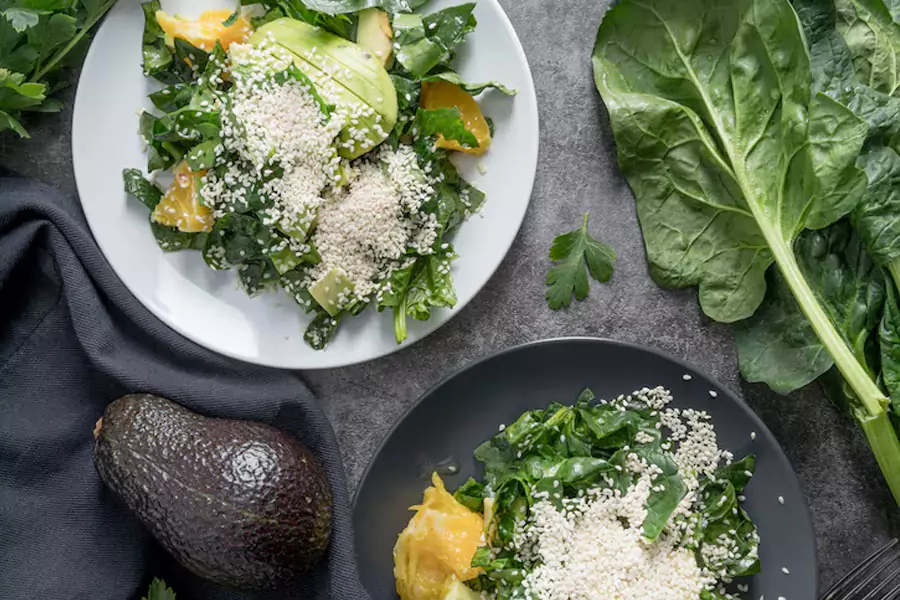
Elevating Collard Greens: Not Just a Side Dish
Collard greens are full of nutrients and flavor potential. However, their thick texture and slightly bitter flavor require the proper seasoning and slow cooking balance.
The Southern Staple
Classic Southern-style collards tend to be simmered low and slow with smoked meats and aromatic spices. Here’s the trick:
- Smoked turkey wings or ham hocks for depth
- Wiley’s Beans & Peas Seasoning (trust us, it works wonderfully on greens, too!)
- Garlic, onion, and a pinch of crushed red pepper
- Apple cider vinegar or hot pepper vinegar for a tangy finish
The slow braise draws all these tastes together, infusing a rich, comforting broth seeping into the greens.
Meatless But Mighty
To make a vegetarian version:
- Olive oil or butter for a hearty foundation
- Shallots or sweet onions
- Garlic and smoked paprika
- A bit of soy sauce or liquid aminos for depth
- A squeeze of lemon juice or vinegar
This method has a big flavor without meat, ideal for lighter fare or plant-based meals.
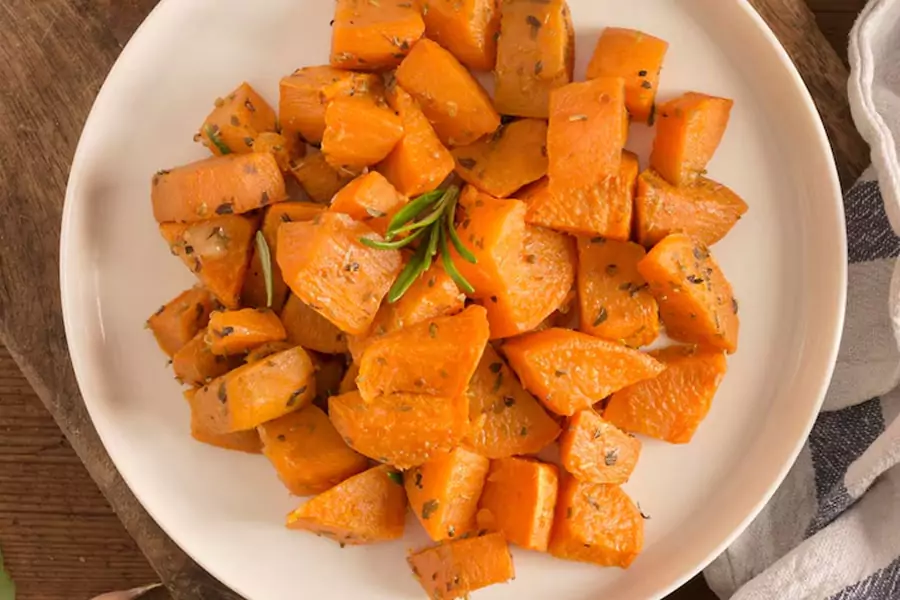
Sweet Potatoes, Rice & Other Essentials: Season Like a Pro
Great meals are about balance. Once your protein and greens are seasoned well, you’ll want to bring flavor to your sides without overwhelming the plate.
Sweet Potatoes
Roasted or mashed sweet potatoes shine with warm spices:
- Cinnamon, nutmeg, and a little brown sugar
- For savory notes: cumin, smoked paprika, and a hint of chili powder
- Drizzle with maple syrup and sea salt for a sweet-savory combination.
Rice or Quinoa
Grains tend to get neglected when seasonings come into play. Don’t do that:
- Cook in broth rather than water.
- Add bay leaves, garlic, or a sprinkle of turmeric.
- Stir in chopped fresh herbs (parsley, cilantro) and a squeeze of citrus juice before serving.
This little trick elevates your rice or quinoa from filler to flavorful.
How to Balance Your Meal’s Flavor?
When deciding on your meal, consider flavor in layers—every dish on the plate must add something different:
- Something savory: Herbed or salted chicken or beans.
- Something bitter: Earthy collard greens add texture.
- Something sweet: Sweet potatoes provide natural sugars and warmth.
- Something acidic: Vinegar, lemon juice, or pickled onions can add brightness to the plate.
This combination creates a satisfying, enjoyable, and intensely flavored meal.
Don’t Forget the Finishing Touches
A light sprinkle or drizzle at the finish can add depth to your dish without adding salt or heat.
- Citrus peel over roasted vegetables
- Fresh herbs such as parsley or chives on chicken
- Hot vinegar or chili crisp on greens
- Toasted nuts on rice or quinoa for crunch and taste
These finishing touches don’t just photograph well—they add actual depth.
Use the Right Tools: Seasoning Blends That Do the Work
If you’re pressed for time or don’t know how to combine spices, seek top-quality seasoning blends that provide full flavor with each pinch. One excellent choice is:
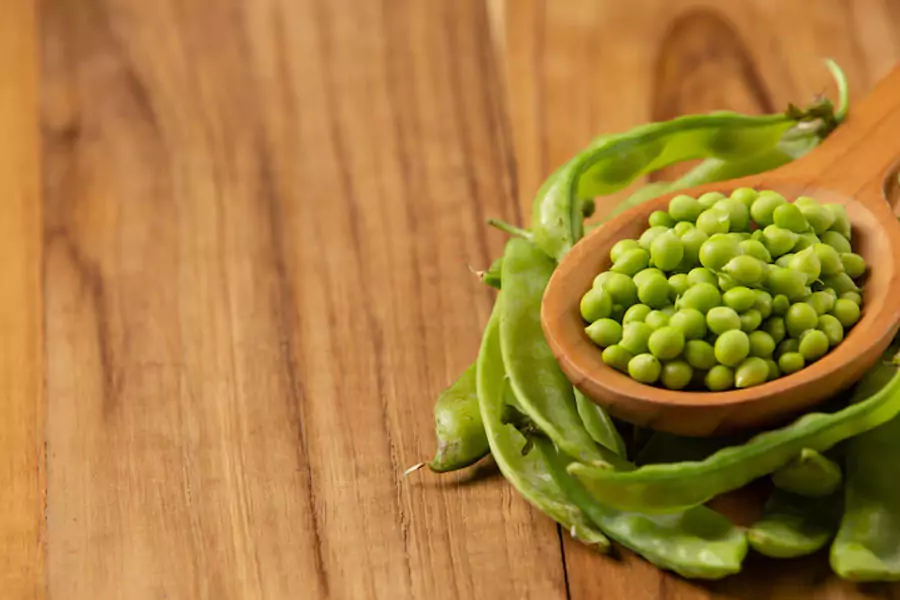
Wiley’s Beans & Peas Seasoning
Although packaged for beans and peas, the mix is highly versatile. It provides a smoky, meaty taste without actual meat—great for vegetarians or those concerned about fat consumption. It complements nicely with:
- Greens such as collards, mustard, or turnip
- Rice or lentil meals
- Roasted vegetables and stews
Just add it while cooking and taste your way. Wiley’s makes seasoning easy and delicious.
From chicken to collards, seasoning is where the heart of cooking truly resides. Whether you go for tried-and-true Southern tastes or explore international inspirations, remember that great food is based on intent, layering, and balance.
Don’t be afraid to mix, match, taste, and tweak. With key spices, fresh ingredients, and trusted blends like Wiley’s, you’ll be well on your way to creating meals that taste like home—no matter what’s on the plate.
How to Season Green Beans for Flavor Without Overpowering Them
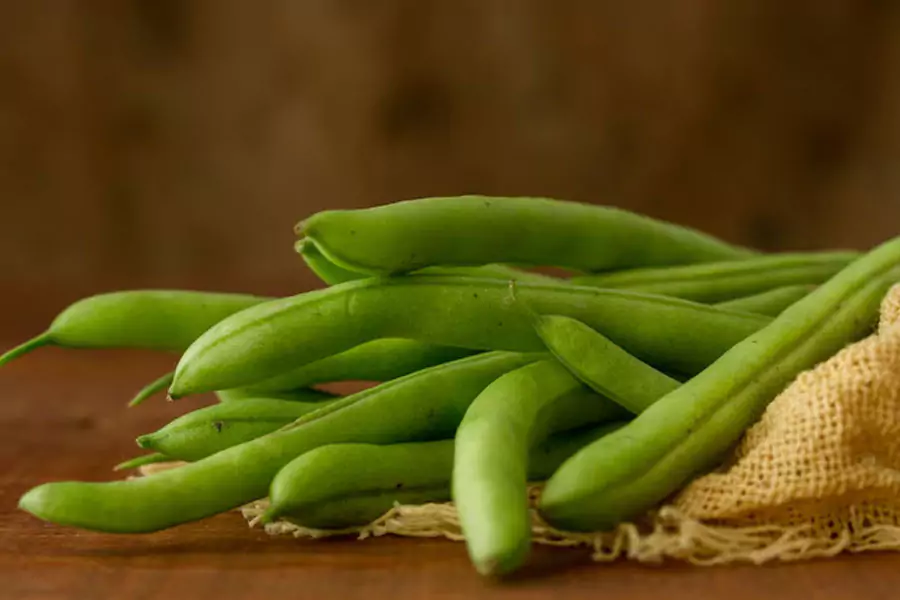
Green beans are one of those enjoyable and healthy vegetables that can be prepared in plenty of dishes. But seasoning them so that they bring out the best of their natural flavor without overpowering their taste is a fine art. Here’s a guide on effective methods to season green beans so they continue to be the center of your dish.
1. Embrace the Natural Flavor
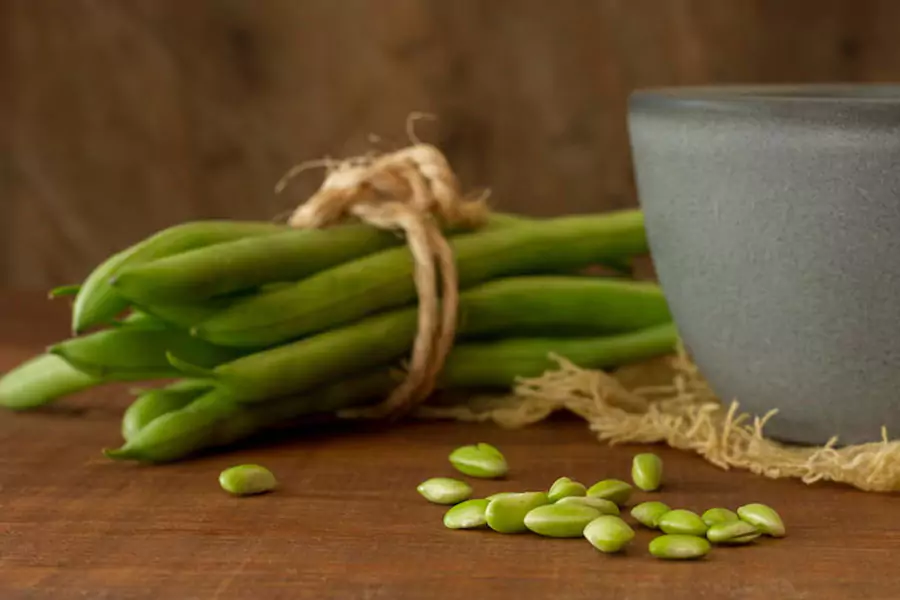
Before diving into seasonings, it’s essential to recognize and appreciate the inherent taste of green beans. Their mild, slightly sweet flavor provides a perfect canvas for various seasonings. Overseasoning can mask this natural taste, so aim to enhance rather than overpower.
2. Use Light and Fresh Seasonings
Olive Oil and Lemon Juice
A sprinkle of extra virgin olive oil and a squeeze of fresh lemon juice can dress up green beans without overwhelming their taste. The olive oil contributes richness, and the lemon juice brings a touch of bitterness that awakens the dish.
Herbs
Fresh herbs such as basil, thyme, or dill can add aromatic flavor to green beans. Add them towards the end of cooking time to maintain their freshness and avoid bitterness.
3. Add Umami Without the Salt
Use umami ingredients to add a savory flavor to green beans without salt.
Wiley’s Beans Seasoning
Wiley’s Beans Seasoning adds a strong, savory taste similar to Virginia ham without fat and cholesterol. Just sprinkle the seasoning into the water before boiling, adding a rich, satisfying flavor to the green beans.
Other Umami Options
- Nutritional Yeast: Sprinkle some over steamed green beans for a cheesy, nutty taste.
- Mushroom Powder: A sprinkle can provide depth and earthiness to the dish.
4. Add a Touch of Sweetness
A touch of sweetness can balance the natural earthiness of green beans.
Balsamic Vinegar
Add a splash of balsamic vinegar for a sweet and sour element. Drizzle it over the cooked beans to introduce a new depth and complexity to their flavor.
Honey
For a lesser sweetness and a different take, add a teaspoon of honey. Mix it with a bit of mustard for a slightly savory glaze that pairs well with the green beans.
5. Experiment with Cooking.
The cooking technique may affect how seasonings will react with green beans.
Blanching
Scooping green beans into boiling water and immediately transferring them to ice water preserves their bright color and crunch. Blanched green beans permit seasonings such as lemon juice or olive oil to stick more effectively.
Sautéing
Sauté green beans with some olive oil and minced garlic to add flavor. Avoid overcooking, as this will destroy their natural sweetness.
6. Garnish Wisely
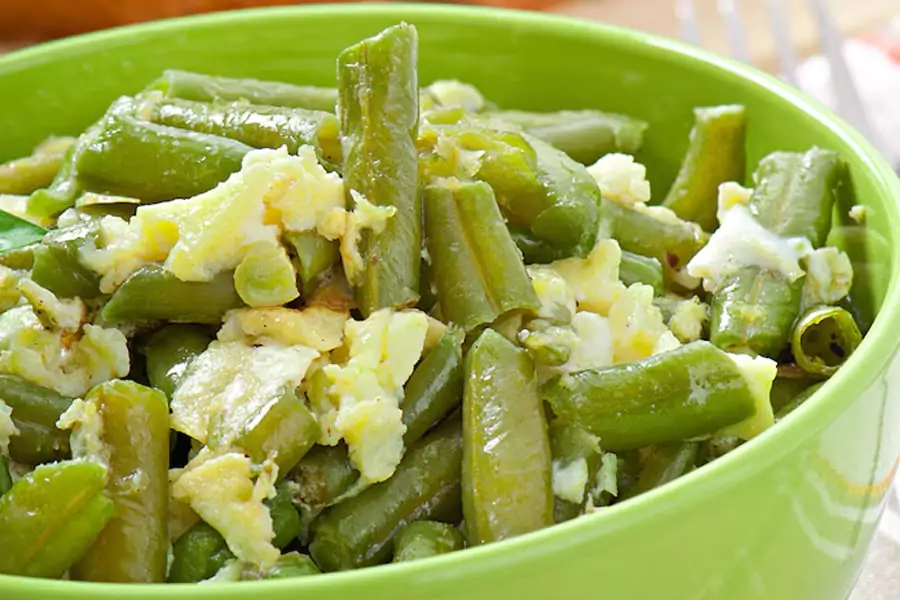
The final touches can contribute to a dish without overwhelming the green beans.
Toasted Nuts
Add toasted pine nuts or almonds to the green beans to add some crunch and nutty flavor that perfectly complements their flavor.
Grated Cheese
A grated Parmesan or crumbled feta sprinkle can introduce a savory note that uplifts the green beans without overpowering their flavor.
7. Taste as You Go
The secret to seasonally balanced green beans is to taste while cooking. Use minimal seasoning, and add more to taste to obtain the right balance of flavors.
Seasoning green beans is the art of adding flavor to them without overpowering their own. Light seasonings, umami notes, gentle sweetness, cooking innovation, and deliberate garnishes are the ways to make a dish where the green bean’s subtle taste takes center stage. Do not forget, it is all about complementing, not dominating, the plate’s star.
Also read: What’s in Soul Food Seasoning? A Deep Dive into Every Spice